Temple Guidelines & Visitor Information
To maintain the sanctity, discipline, and spiritual atmosphere of the temple, all devotees are requested to follow the guidelines mentioned below during their visit.
Dress Code
For Men
- Traditional Indian attire such as dhoti–kurta is preferred.
- Modest clothing like shirts with full-length trousers is acceptable.
- Shorts, sleeveless garments, and revealing outfits are not permitted.
- Wearing yellow attire is considered auspicious, especially on Tuesdays and during special rituals.
For Women
- Traditional attire such as saree or salwar kameez is recommended.
- Modest western clothing that covers shoulders and knees is acceptable.
- Yellow clothing is encouraged on sacred occasions and special ceremonies.
- Covering the head inside the main sanctum is considered respectful.
Note: Temple authorities reserve the right to restrict entry for visitors not adhering to the dress code.
🌼 Offerings
Permitted Offerings
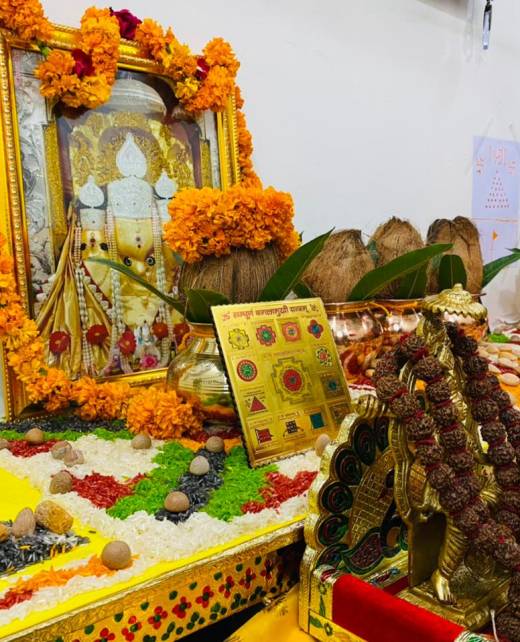
🌼 Yellow Flowers (especially marigold)
🍬 Yellow Sweets (such as besan ladoo or kesar peda)
🟡 Turmeric (Haldi)
🍌 Seasonal Yellow Fruits (like banana and mango)
🪔 Ghee for Lighting Lamps
🧵 Yellow Cloth Offerings
🥇 Brass or Gold Devotional Items
Restricted Offerings
🍖 Non-Vegetarian Food Items
🍷 Alcohol (except for authorized tantric rituals)
🥥 Coconuts Inside the Sanctum (must be broken outside)
🌺 Red Flowers or Items Not Traditionally Offered 🛕
Devotees are advised to consult temple priests for specific offerings related to special pujas and rituals.
Conduct Inside the Temple
- Maintain silence and a devotional atmosphere within the premises.
- Follow queue discipline for darshan without pushing or creating disturbance.
- Do not touch the deity or ritual objects unless permitted by priests.
- Remove footwear before entering the temple complex.
- Wash hands and feet before entering the sanctum.
- Avoid sitting with feet pointing toward the deity.
- Perform pradakshina (circumambulation) in a clockwise direction.
- Respect devotees engaged in meditation or worship.
- Maintain cleanliness and use designated waste bins.
- Follow instructions given by temple staff and security personnel.
Photography & Mobile Usage
For Men
- Photography and videography are strictly prohibited inside the sanctum.
- Limited photography may be allowed in outer areas with permission.
- Keep mobile phones on silent mode inside the temple.
- Avoid phone conversations near sacred areas.
- Selfie sticks, tripods, or professional equipment require prior approval.
These rules help preserve the temple’s sacred environment and the privacy of devotees.
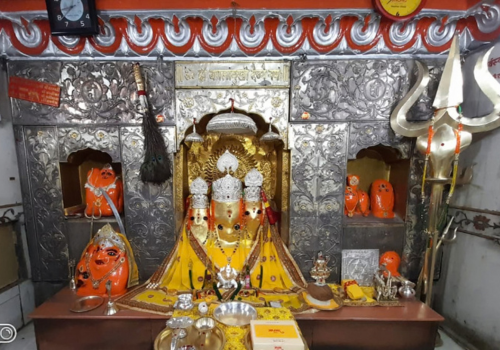
🚫 Restricted Items
The following items are not allowed within temple premises:
🔪 Weapons or Sharp Objects
🍷 Alcohol, Tobacco, and Intoxicants
🍖 Non-Vegetarian Food Items
🐾 Pets (except trained service animals)
🧳 Large Luggage Bags
📸 Professional Camera Equipment (without prior permission)
🥁 Musical Instruments (unless approved for rituals)
📢 Political or Promotional Materials
⏰ Auspicious Timings for Worship
- Brahma Muhurta (4:00 AM – 6:00 AM): Highly suitable time for meditation, mantra chanting, and spiritual practices.
- Morning Aarti (6:00 AM): A spiritually energizing beginning of the day with divine vibrations and devotion.
- Noon Aarti (12:00 PM): A powerful period to offer prayers and seek blessings.
- Evening Aarti (7:00 PM): A sacred transitional time filled with peace, devotion, and spiritual connection.
- Tuesdays: Considered especially auspicious for worship of Maa Baglamukhi.
- Navratri Festival: A nine-day divine celebration dedicated to the Divine Mother.
- Baglamukhi Jayanti: The most significant annual festival honoring the Goddess.
Special Guidelines

🔱 Guidelines for Tantric Rituals
Tantric rituals dedicated to Maa Baglamukhi involve sacred preparations and strict spiritual discipline. These rituals should always be performed under the proper guidance of experienced priests or qualified tantric practitioners to ensure authenticity and positive spiritual outcomes.
✅ Prior Permission Required: Devotees must obtain official approval from temple authorities before performing any tantric ritual.
🛕 Purification Procedures: Participants should follow prescribed physical and spiritual purification practices.
👤 Authorized Priests Only: Advanced tantric ceremonies can be conducted solely by trained and authorized temple priests.
🌼 Special Offerings: Certain rituals may require specific sacred materials and offerings.
🙏 Discipline & Devotion: Maintain focus, respect, and follow all ritual instructions carefully.
For detailed guidance, devotees are advised to consult the temple’s head priest.
👥 Guidelines for Group Visits
We warmly welcome devotees visiting the temple in groups. To ensure a peaceful and well-organized spiritual experience for everyone, please follow these important guidelines:
📞 Advance Intimation: Inform the temple administration beforehand if your group consists of 10 or more members.
🧑🤝🧑 Group Coordinator: Assign a responsible group leader to communicate and coordinate with temple staff.
📖 Awareness of Rules: Brief all members about temple customs, dress code, and conduct before arrival.
⏰ Prefer Off-Peak Hours: Plan your visit during less crowded timings for a smoother darshan experience.
🚶 Maintain Movement: Stay together and avoid blocking pathways or disturbing other devotees.
🪔 Group Puja Arrangements: Special puja or ritual arrangements can be organized with prior booking.
Kindly contact the temple administration office at least 3 days in advance to make proper arrangements for your group visit.
🌍 Guidelines for Foreign Visitors
We warmly welcome international visitors to experience the rich spiritual and cultural heritage of our sacred temple. To ensure a respectful and comfortable visit, please follow these guidelines:
👕 Modest Dress Code: Wear attire that covers shoulders and knees as a mark of respect.
👣 Remove Footwear: Kindly remove shoes before entering the temple premises.
🗣️ Guided Assistance: English-speaking guides can be arranged with prior notice for better understanding.
🙏 Respect Traditions: Follow local customs, rituals, and temple etiquette during your visit.
🪔 Seek Permission: Ask before touching any ritual objects or sacred items.
🚫 Restricted Areas: Certain sections may be closed during special ceremonies or rituals.
We appreciate your interest in our spiritual traditions. Please feel free to ask questions to learn more about the temple’s divine significance.
🍛 Guidelines for Prasad and Food
Prasad (sanctified food offerings) holds deep spiritual importance in temple worship. Devotees are requested to follow these guidelines for maintaining purity and discipline:
🥗 Vegetarian Offerings Only: Only pure vegetarian food items are permitted as prasad.
🏡 Hygienic Preparation: Homemade prasad should be prepared in a clean environment using fresh and sattvic ingredients.
🙏 Receiving Prasad: Temple prasad is distributed after rituals; kindly receive it respectfully with your right hand.
🚫 Designated Eating Areas: Consumption of food is allowed only in specified areas, not near the main sanctum.
🗑️ Proper Disposal: Please dispose of food packaging and leftovers in designated dustbins to maintain cleanliness.
🪔 Special Prasad Arrangements: Devotees can arrange special prasad for ceremonies with prior notice.
🛕 A dedicated Prasad Counter is available within the temple premises for purchasing sanctified offerings.
Additional Information
These rules and guidelines are established to preserve the sanctity and spiritual harmony of the temple, ensuring a peaceful and meaningful experience for all devotees. The temple administration reserves the right to revise or update these regulations whenever necessary.
For any clarifications, assistance, or special requests, devotees are kindly requested to contact the temple office. Your cooperation and understanding help maintain the sacred atmosphere and divine grace of this holy abode of Maa Baglamukhi.