Temple Visit

Baglamukhi Temple, Ujjain

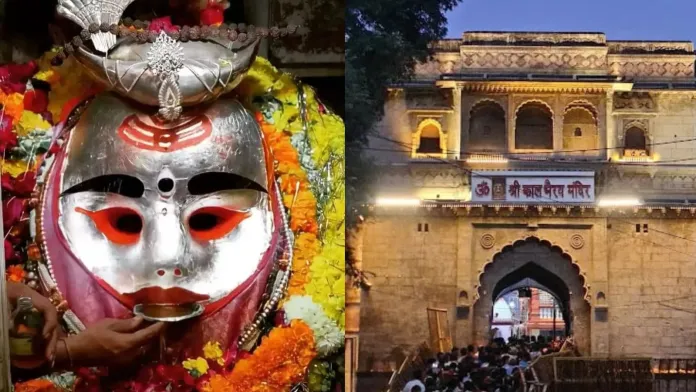
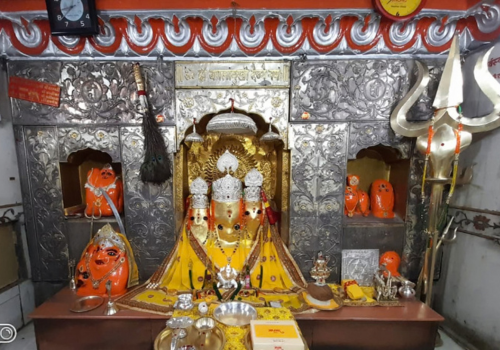
The Baglamukhi Temple Ujjain is a highly respected shrine devoted to Goddess Baglamukhi, who is regarded as the eighth of the ten sacred forms of the Mahavidyas. Situated in the spiritual city of Ujjain along Mangalnath Road, the temple draws countless devotees who visit to seek strength, protection, and divine blessings from Maa Baglamukhi.

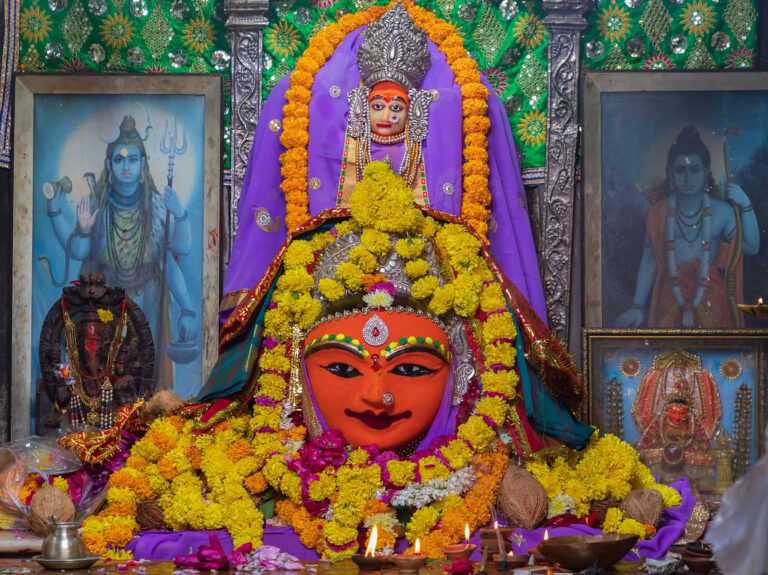
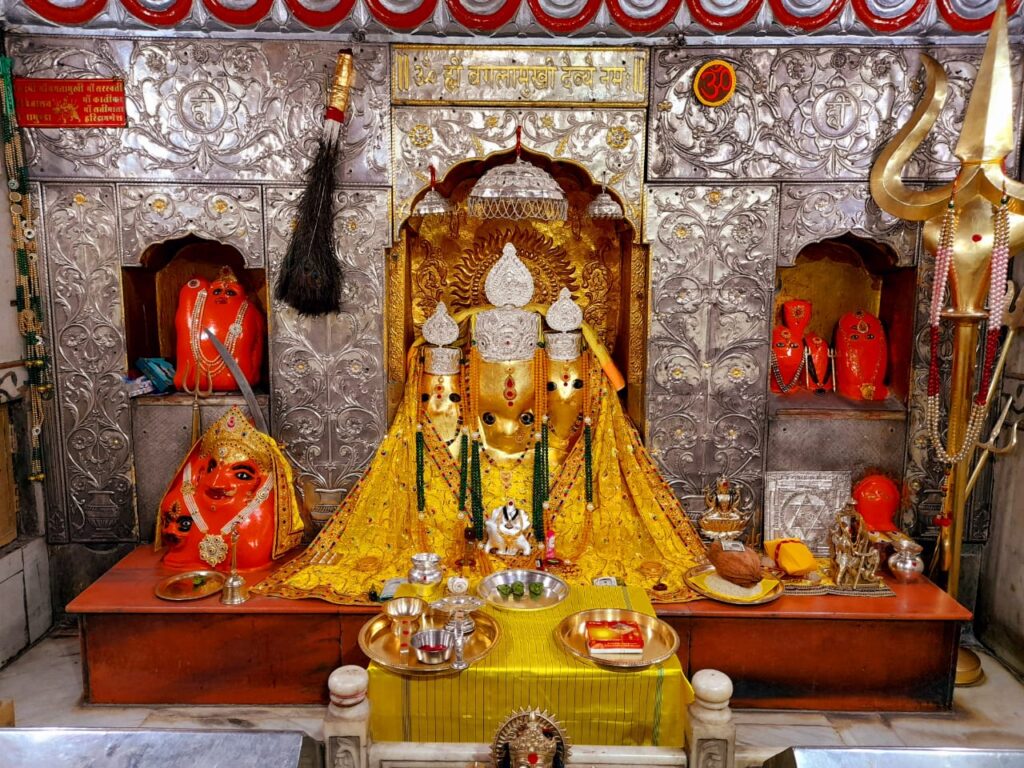
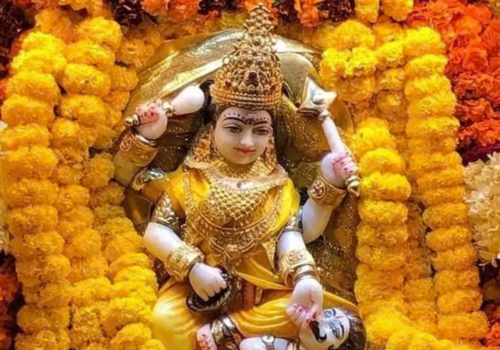
This temple is especially known for maintaining ancient Tantric practices and sacred rituals that have been followed and preserved for many generations. The main sanctum of the temple features a magnificent idol of the goddess, portrayed with a radiant golden complexion and seated on a majestic golden throne. In her traditional depiction, she holds a powerful club in one hand to defeat negative forces while firmly grasping the tongue of a demon with the other, symbolizing the power to silence evil and protect her devotees.

Temple Location

Baglamukhi Temple, Mangalnath Road, Ujjain, Madhya Pradesh – 456006, India

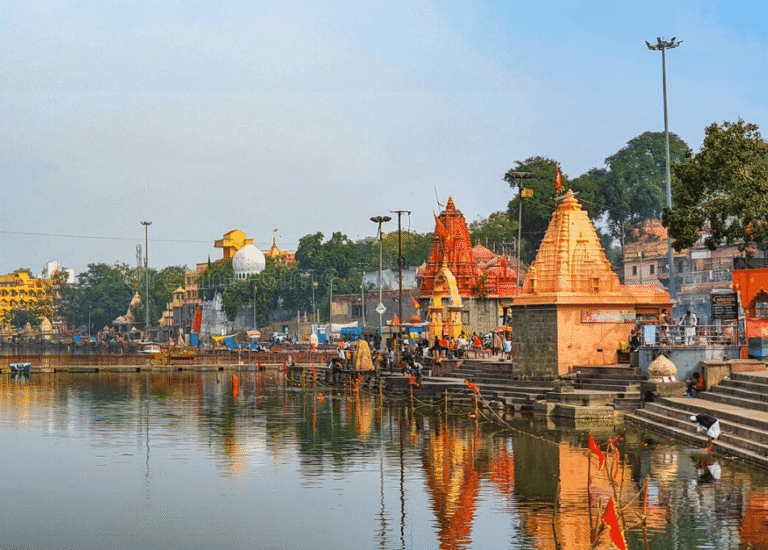
Ujjain is one of the seven sacred cities (Sapta Puri) in Hinduism, located on the eastern bank of the Kshipra River. The temple is situated near Mangalnath Temple, approximately 2.5 km from the city center, making it easily accessible for pilgrims and visitors exploring the spiritual heritage of this ancient holy city.

History and Establishment

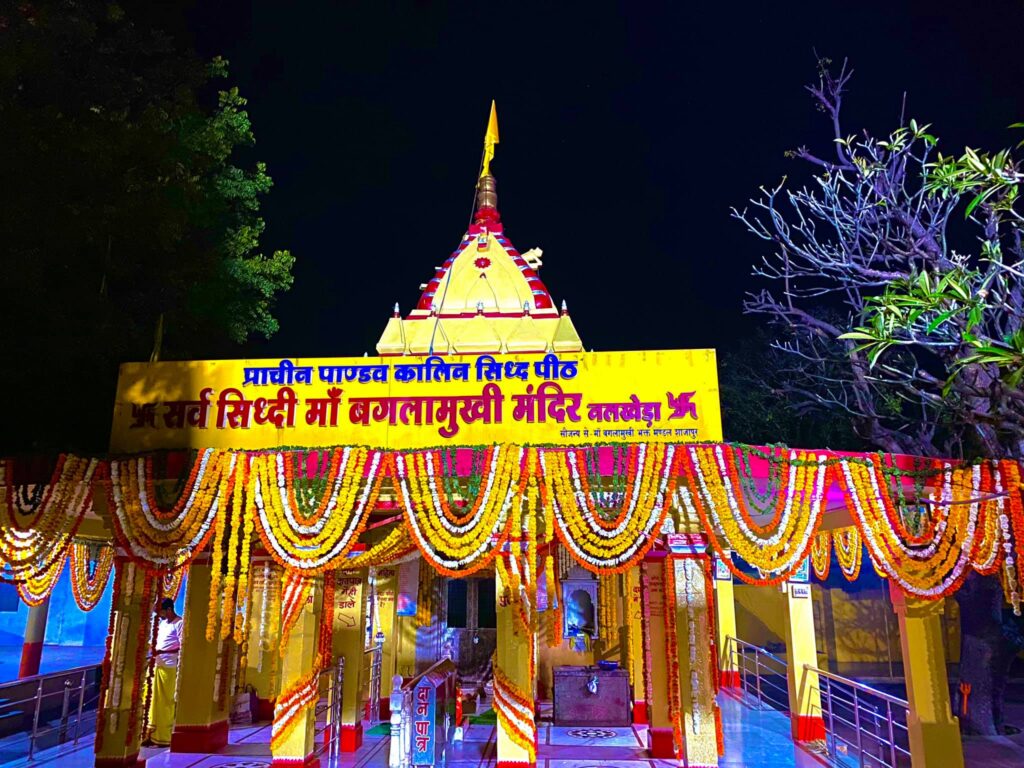
The sacred Baglamukhi Temple Nalkheda is one of the most prominent temples dedicated to Goddess Baglamukhi, the powerful eighth form among the ten Mahavidyas. The temple is located near the banks of the Lakhundar River, close to the town of Nalkheda, and attracts thousands of devotees, especially during the sacred festival of Navratri.

According to ancient traditions, the temple holds great historical and spiritual importance. It is believed that during the time of the Mahabharata, Lord Krishna advised the Pandavas to worship Maa Baglamukhi at this sacred place when they were facing severe challenges. After performing prayers and rituals here, the Pandavas are believed to have received the divine blessings that eventually helped them achieve victory.

Ancient Hindu scriptures also suggest that the foundation of this temple was originally established by Lord Brahma. The temple is regarded as a powerful center of Trishakti, representing the combined energies of Goddess Baglamukhi, Goddess Lakshmi, and Goddess Saraswati. These divine forms symbolize power, prosperity, and wisdom.

Temple Details

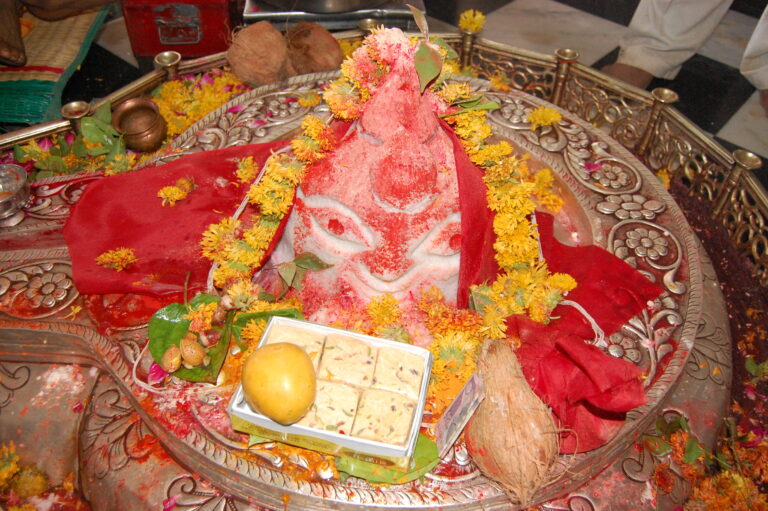
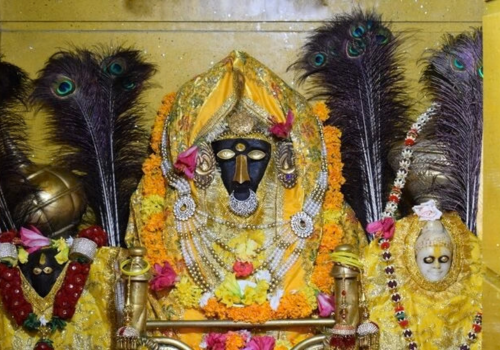
The idol of Goddess Baglamukhi in this temple is believed to be Swayambhu (self-manifested) rather than created by human hands. Devotees offer yellow-colored items such as turmeric, yellow cloth, flowers, and prasad, as yellow symbolizes prosperity, protection, and divine power.
A sacred Swastika symbol on the temple wall and a holy Havan Kund hold deep spiritual significance. Devotees perform havan and special pujas here, especially during Navratri, using sacred ingredients like mustard seeds, sesame, barley, ghee, lotus seeds, and coconut.

The goddess is also revered as Trishakti Mata, representing divine power, wisdom, and prosperity. Along with the main deity, devotees also worship Hanuman, Lord Krishna, Goddess Lakshmi, and Goddess Saraswati. Major celebrations include Baglamukhi Jayanti, which attracts many devotees.

Other Famous Baglamukhi Temples

Baglamukhi Temple, Nalkheda (M.P)

The Baglamukhi Temple Nalkheda is a powerful shrine dedicated to Goddess Baglamukhi, famous for Tantric rituals and attracting devotees during Navratri and Baglamukhi Jayanti.

Baglamukhi Temple, Kangra (H.P)

The Baglamukhi Temple Kangra is an ancient shrine of Goddess Baglamukhi, located in the peaceful Himalayan foothills, known for special havan rituals and spiritual meditation practices

Baglamukhi Temple, Datia (M.P)

The Baglamukhi Temple Datia is a renowned shrine of Goddess Baglamukhi, known for authentic Tantric rituals, powerful spiritual energy, and special ceremonies performed on Tuesdays and during Navratri.

How to Reach

Accommodation

Best Time to Visit

The best time to visit Ujjain is October–March. Summers are very hot, while monsoon brings moderate rainfall and a pleasant atmosphere for pilgrims.

Local Transportation

Auto-rickshaws, taxis, and cycle rickshaws are easily available in Ujjain, making travel between temples and pilgrimage sites convenient for visitors.

Dress Code

Visitors should wear modest clothing. Traditional attire like saree, salwar kameez, dhoti, or kurta is recommended while visiting temples in Ujjain.

Photography

Photography is restricted inside the sanctum of Goddess Baglamukhi, but allowed in other temple areas. Visitors should follow temple guidelines.

Nearby Attractions